









Explore Careers
Investigations Specialists
Explore Careers
Investigations Specialists
Law, Public Safety, Corrections & SecurityService Branches with this Role





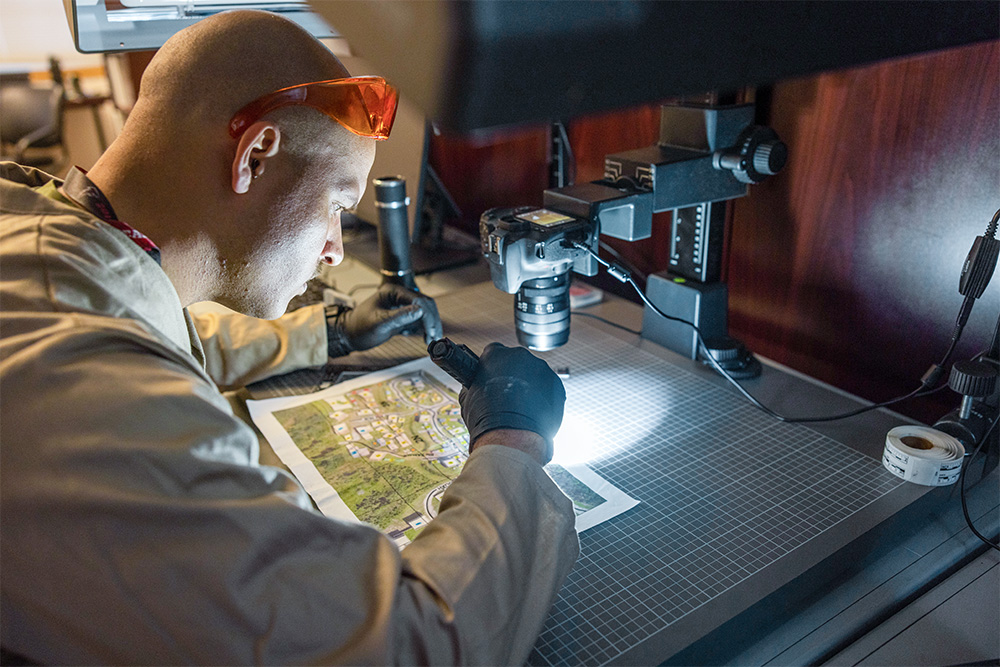
What do Investigations Specialists do in the Military?
Where do Investigations Specialists work?
Investigative specialists in the military work both indoors and outdoors depending on their assignment. They may work outdoors while conducting investigations or patrolling facilities.
How much do they make?
Median Military Salary
This is the median, or the midpoint, of the salary range for this career.
Note that the median salary does not include bonuses, special pays, health or dental benefits — which are a standard part of military compensation.
This is the median, or the midpoint, of the salary range for this career.
Note that the median salary does not include bonuses, special pays, health or dental benefits — which are a standard part of military compensation.
$63,809
Military Salary Range
This is the range based on years of service, degree level, special pays, family status and location.
Note that the median salary does not include bonuses, special pays, health or dental benefits — which are a standard part of military compensation.
This is the range based on years of service, degree level, special pays, family status and location.
Note that the median salary does not include bonuses, special pays, health or dental benefits — which are a standard part of military compensation.
$20,988 - $251,509
How Military Pay is More Than Just a Salary
Base pay is the standard income you'll earn as a service member, providing a stable foundation to start achieving your financial goals.
- Set based on rank and years of service.
- Paid every month.
Allowances are additional payments to help cover living expenses like housing and food.
- Tax-free payments.
- Varies by location and family status.
Special pay provides extra compensation for unique skills, hazardous duties, or challenging assignments.
- Based on specialized roles.
- Varies by position and duty.
What training do Investigations Specialists gain in the Military?
All enlisted service members complete basic military training, which includes time spent in a classroom and in the field, and covers tactical and survival skills, physical training, military life and customs, and weapons training. Investigative specialists in the Military will gain skills through classroom study and on-the-job experience. Job-specific training content may include:
- Military/civil laws and jurisdiction
- Investigation and evidence collection procedures and techniques
- Arrest and physical restraint techniques
- Self-defense and use of firearms
- Crime scene processing
- Interpersonal communications skills
- Search/restraint and custody/control procedures
- Crime prevention
Military Training for Officers
Officers typically enter the Military after they have completed a four-year college degree. All officers complete a comprehensive training program covering responsibilities, military structure and etiquette, traditions, and leadership development.

What skills help Investigations Specialists succeed?
- Ability to remain calm under pressure
- Interest in law enforcement and crime prevention
- Willingness to perform potentially dangerous work
- Listening and communication skills
- Critical thinking and problem solving skills